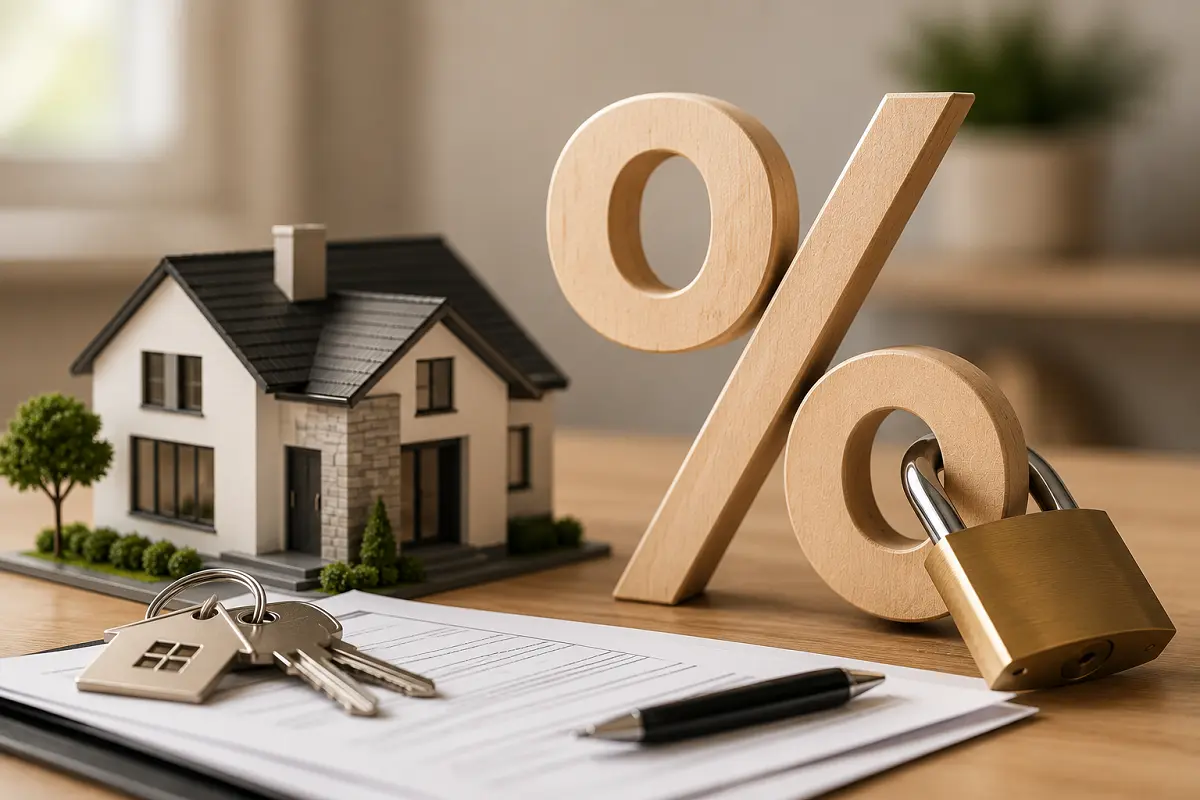
Mortgage rates don’t stay the same forever. They can change in response to economic conditions, inflation, and decisions made by the Bank of Canada. For homebuyers, even a small increase in interest rates can make a noticeable difference in monthly mortgage payments and the total cost of borrowing.
That’s why many buyers choose a mortgage rate lock while they’re finalizing their home purchase. Locking your rate can provide peace of mind by protecting you from unexpected rate increases before your mortgage closes.
In this guide, you’ll learn what a mortgage rate lock is, how it works, when it makes sense to lock your rate, and when waiting might be better.
We’ll also cover the pros, cons, and common mistakes so you may make a confident decision.
What Is a Mortgage Rate Lock?
A mortgage rate lock is a deal between you and your lender that guarantees a certain interest rate for a set amount of time.
Once your rate is locked, it typically stays the same until your mortgage closes, as long as you meet the lender’s requirements and complete your purchase on time.
Lenders offer rate locks because mortgage approval can take several weeks, and rates might change during that time. A rate lock keeps your rate from going up while you complete your financing.
In Canada, rate locks typically last 30 to 120 days, depending on the lender and mortgage product.
For buyers purchasing a first home or next property in a changing market, this added certainty can make financial planning much easier.
How a Mortgage Rate Lock Works
Understanding how a mortgage rate lock works can help you decide whether it’s the right choice for your situation.
Step-by-Step Process
The exact process can differ by lender, but it usually follows these steps:
1. Apply for Mortgage Pre-Approval or Approval
The first step is submitting your financial information to determine how much you qualify to borrow.
2. Request a Rate Hold
Once you’re pre-approved or nearly approved, you can ask your lender to lock in your interest rate.
3. Lender Confirms the Rate
If you’re approved, your lender will confirm your locked rate and let you know how long it will last.
4. Complete Your Purchase
As long as you close your mortgage before the lock runs out and meet all the conditions, you’ll get the rate you agreed on.
This is the basic process of how a mortgage rate lock works, helping buyers avoid surprises before closing.
What Happens If Rates Change?
A main reason buyers lock their mortgage rate is to protect themselves from rising rates.
- If rates go up after you’ve locked in, you’ll usually keep your lower locked rate.
- If rates go down, what happens depends on your lender. Some lenders let you get a lower rate before closing with a ‘float-down’ option, but others make you keep your original locked rate.
Always ask your lender about its policy before committing.
When Should You Lock a Mortgage Rate?
There isn’t one perfect time for every buyer, but several situations make locking your rate especially worthwhile.
When Interest Rates Are Rising
If the Bank of Canada is raising rates or inflation is high, locking your rate can help protect you from paying more later.
Even a small rate increase can make a big difference in what you pay over the years.
When You’ve Found a Property
After your offer is accepted, many buyers try to secure their financing right away.
This is often a good time to lock your rate since you’re getting closer to closing.
When You Are Close to Closing
If your closing date is approaching, locking your rate reduces the chance of unexpected changes affecting your mortgage payment.
When You Want Payment Stability
Many buyers value certainty. One of the biggest benefits of a mortgage rate lock is knowing exactly what your mortgage payments are expected to be before taking ownership of your home.
When You Should NOT Lock Your Rate Yet
Although locking your rate offers valuable protection, it isn’t always the right move.
If Rates Are Falling
If economists expect interest rates to continue declining and your purchase is still months away, waiting may allow you to qualify for a lower rate.
Of course, no one can predict future rate movements with certainty.
If You’re Still Shopping for Homes
Locking your rate too early may cause it to expire before you actually purchase a property. If that happens, you might need to ask for an extension or accept the current rates.
If You Haven’t Compared Lenders
Mortgage rates and lock policies vary by lender. Before you decide, compare your options to make sure you get good rates and terms that fit your needs.
Benefits of a Mortgage Rate Lock
There are several reasons buyers choose to lock their mortgage rate.
Some of the most important benefits of a mortgage rate lock include:
- Protection against rising interest rates.
- Predictable monthly mortgage payments.
- Easier budgeting throughout the purchase process.
- Greater financial confidence before closing.
- Less stress while completing mortgage approval.
For many buyers, the peace of mind alone makes locking their rate worthwhile.
Limitations of a Rate Lock
Like any financial product, rate locks also have limitations.
Some important considerations include:
- You may not automatically receive a lower rate if market rates fall.
- Rate locks expire after a specified period.
- Extension policies vary by lender.
- Some locks include conditions that must be satisfied before closing.
Reading the agreement carefully helps prevent misunderstandings later.
Mortgage Rate Lock vs Floating Rate
Both options have advantages depending on market conditions and your comfort with risk.
Locked Rate
A locked rate offers stability and predictable borrowing costs.
This option often works well during periods of rising interest rates or economic uncertainty.
Floating Rate
A floating rate changes with market conditions.
If interest rates decrease before closing, borrowers may benefit from lower borrowing costs. However, rising rates can also increase expenses before the mortgage is finalized.
Choosing between locking and floating depends on your financial goals and risk tolerance.
Expert Tips to Get the Best Mortgage Rate Lock
If you’re thinking about locking your mortgage rate, these tips can help.
Lock Early During Rising Markets
If you wait too long, you might end up paying more if rates go up.
Work With a Mortgage Broker
A professional mortgage broker in Canada, such as Diverse Mortgage Group, can compare lenders for you and explain rate-lock policies.
Improve Your Credit Before Applying
A stronger credit profile may help you qualify for more competitive mortgage rates.
Compare Multiple Lenders
Don’t focus solely on interest rates.
Review lender fees, flexibility, penalties, and customer service as well.
Understand the Terms
Ask questions about:
- Expiration dates
- Extension options
- Float-down policies
- Conditions for maintaining the locked rate
Knowing the details helps you avoid unexpected issues.
Common Mistakes to Avoid
Many buyers make avoidable mistakes during the mortgage process.
Some of the most common include:
- Locking a rate before finding a suitable property.
- Waiting too long during periods of rising interest rates.
- Failing to compare multiple lenders.
- Overlooking important conditions within the rate lock agreement.
- Forgetting the lock expiration date.
Planning can help you avoid unnecessary stress and additional costs.
Conclusion
A mortgage rate lock can be a valuable tool for protecting yourself against rising interest rates while buying a home.
By understanding how rate locks work, knowing when to use them, and carefully reviewing lender terms, you’ll be better prepared to make informed financing decisions.
Whether you’re purchasing your first home or moving to your next property, expert guidance can make the mortgage process much smoother.
If you’re ready to explore your mortgage options, contact Diverse Mortgage Group today. Our experienced team can help you compare lenders, secure competitive mortgage rates, and confidently find financing solutions that fit your goals.
People Also Ask
When should I lock my mortgage rate in Canada?
Many buyers choose to lock their rate after finding a property or when they think rates will go up. The ideal moment to do this depends on the market situation and when you plan to buy.
Can I get a lower rate after locking?
It depends on your lender. Some lenders offer float-down options, allowing borrowers to benefit from lower interest rates before closing. Others require you to keep the original locked rate, even if market rates decrease.
Always ask your lender about its rate-lock policy before making a decision.
How long does a mortgage rate lock last?
Most mortgage rate locks in Canada remain valid for approximately 30 to 120 days, although timelines vary by lender and mortgage product.
Is it better to lock or float a mortgage rate?
A locked rate offers stability and protection against rising rates, while a floating rate may provide savings if market rates decline. The right choice depends on your financial goals, risk tolerance, and current market conditions.